Field Beans (or Bitter Beans) Sprouts Curry is popularly known as Dalimbi Usal or Valachi Usal or Birde in Maharashtra. Even though the names sound similar, its method of making differs from region to region and from castes to sub-castes. Renowned marathi author Durga Bhagwat has rightly stated in her marathi book 'Khamang' that she believes in casteism when it comes to cooking and the taste differentials based on it is the glory of our country ("...पाकक्रियेच्या बाबतीत मी जातीभेद आवश्य मानते व तो सुसंस्कृतपणाचा एक भाग आहे, असंही मानते. ही रुचिभिन्नता या देशाचं वैभव आहे...").
Dalimbi Usal is a traditional accompaniment to rice and rotis. It is often included in traditional Maharashtrian wedding menu also. The method given here is a fusion method of Konkanastha Brahmins and Karhade Brahmins which is a complete 'no onion- no garlic' method. I will post another method of making this curry subsequently.

Approx. Time: 30 minutes (excluding pre-preparation)
Yield: 2 Servings
Ingredients:
1 cup Field Beans (or Bitter Beans) sprouts (Dalimbi)
1 cup Water
1 tbspn Spice Mixture
1 tspn Jaggery
1/4 cup freshly scrapped Coconut
1/4 cup finely chopped fresh Cilantro
Salt to taste
For spice mixture:1 cup Water
1 tbspn Spice Mixture
1 tspn Jaggery
1/4 cup freshly scrapped Coconut
1/4 cup finely chopped fresh Cilantro
Salt to taste
1/3 cup dried Coconut (grated)
1 tspn Cumin seeds
3-4 Dried red chillies
For Tempering:
1 tbspn Oil
1/2 tspn Mustard Seeds
1/2 tspn Cumin seeds
A pinch of Asafoetida Powder
5-6 Curry leaves
1/2 tspn Mustard Seeds
1/2 tspn Cumin seeds
A pinch of Asafoetida Powder
5-6 Curry leaves
For Garnishing:
Freshly scrapped Coconut
Finely chopped fresh Cilantro (Coriander leaves)
Finely chopped fresh Cilantro (Coriander leaves)
Method:
Pre-preparation:
Pre-preparation:
(Soaking of 1/2 a cup of dried Field Beans will yield approx. 1 cup of Dalimbi)
Soak the Field beans overnight in water for 10 to 12 hours. After soaking, it will be swollen and puffed up. Drain water and rinse the beans. Transfer the soaked Field beans in a muslin cloth. Fold all the edges of the muslin cloth together and give it a twist. Tie a firm knot to the cloth. Then keep it aside for sprouting for nearly 6-7 hours. The field beans will get white sprouts. Remove the sprouted Field Beans from the cloth. Then take some lukewarm water in a container and add the sprouts in it. Allow it to remain in the lukewarm water for nearly an hour so that the peel can be removed easily. Remove the peel individually. These beans are very delicate and hence need to be handled with care to avoid breaking. The peeled off Field Beans are called - Dalimbi or Birde.
To make Spice Mixture:
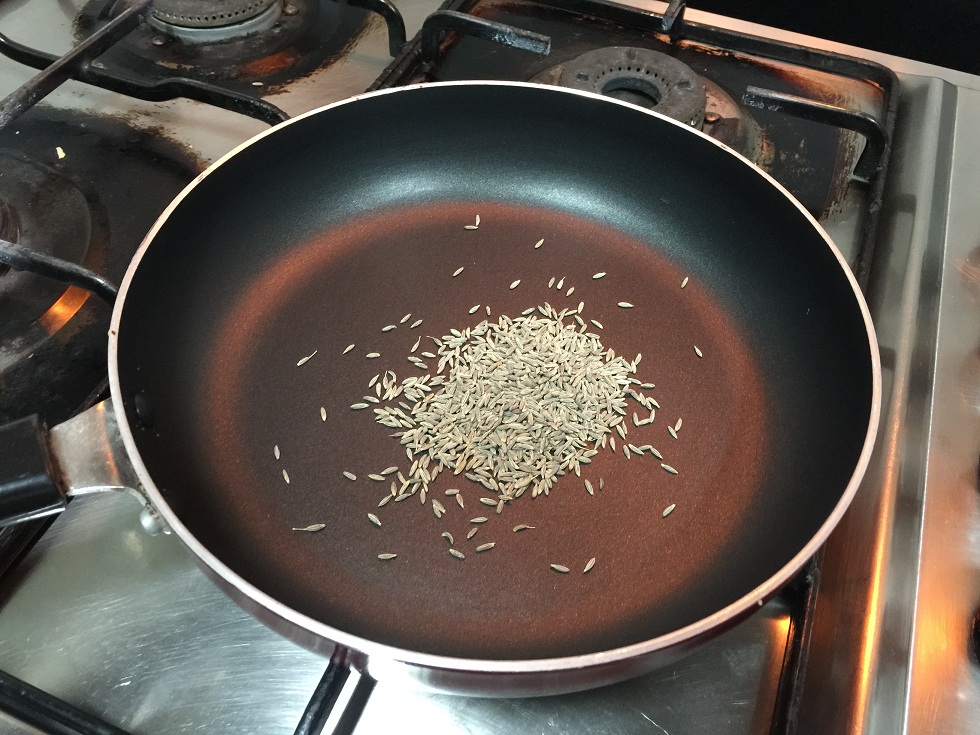
Heat a saucepan. Add the grated dried Coconut and dry roast it over medium heat until it starts releasing aroma and turns brown in colour. Transfer it in a bowl. Then dry roast the Cumin seeds till it starts releasing aroma and starts changing its colour. Transfer it in a bowl. Lastly dry roast the dried Red Chillies for 2-3 minutes. (Alternatively, the dried chillies can be roasted in a teaspoon of Oil also) Allow all the ingredients to cool down. Then grind the mixture coarsely to make Spice powder.
To make Dalimbi Usal:
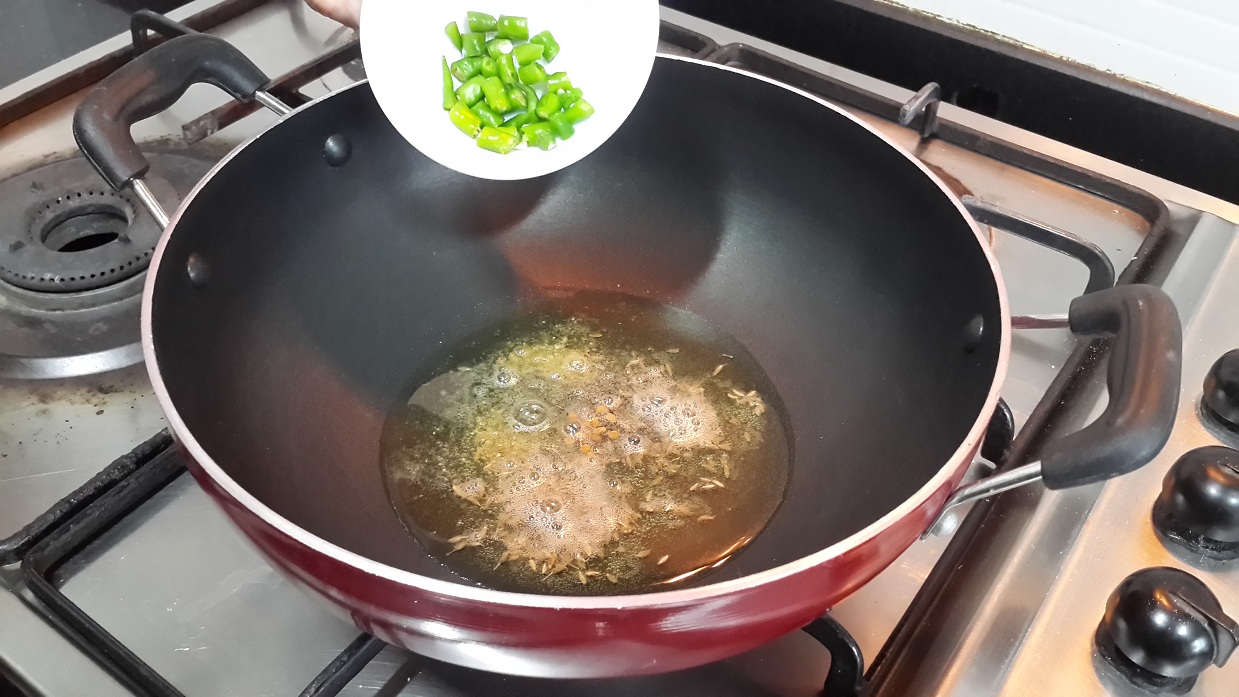
Heat a saucepan and add Oil to it. Once the Oil is hot, add the Mustard Seeds and let it splutter. Then add the Cumin Seeds, Asafoetida powder, Turmeric Powder and Curry leaves. Then add the peeled Field Beans and give it a gentle stir. Add a cup of water. Cover the pan with a lid and cook it for 10-15 minutes. Once the Field beans are cooked (nearly 75-80%) add the Jaggery, Salt and Spice powder (Coconut-Cumin and Chilly Powder). Cover the mixture and further cook it for few minutes. Test the beans with nail. If it breaks easily, then it is cooked. At the end add freshly scrapped Coconut and finely chopped Cilantro. This will soak some water and thicken the consistency of Curry.
Finally, garnish it with freshly scrapped Coconut and finely chopped Cilantro. Serve hot with steamed rice or Roti.
Soak the Field beans overnight in water for 10 to 12 hours. After soaking, it will be swollen and puffed up. Drain water and rinse the beans. Transfer the soaked Field beans in a muslin cloth. Fold all the edges of the muslin cloth together and give it a twist. Tie a firm knot to the cloth. Then keep it aside for sprouting for nearly 6-7 hours. The field beans will get white sprouts. Remove the sprouted Field Beans from the cloth. Then take some lukewarm water in a container and add the sprouts in it. Allow it to remain in the lukewarm water for nearly an hour so that the peel can be removed easily. Remove the peel individually. These beans are very delicate and hence need to be handled with care to avoid breaking. The peeled off Field Beans are called - Dalimbi or Birde.
To make Spice Mixture:
Heat a saucepan. Add the grated dried Coconut and dry roast it over medium heat until it starts releasing aroma and turns brown in colour. Transfer it in a bowl. Then dry roast the Cumin seeds till it starts releasing aroma and starts changing its colour. Transfer it in a bowl. Lastly dry roast the dried Red Chillies for 2-3 minutes. (Alternatively, the dried chillies can be roasted in a teaspoon of Oil also) Allow all the ingredients to cool down. Then grind the mixture coarsely to make Spice powder.
To make Dalimbi Usal:
Heat a saucepan and add Oil to it. Once the Oil is hot, add the Mustard Seeds and let it splutter. Then add the Cumin Seeds, Asafoetida powder, Turmeric Powder and Curry leaves. Then add the peeled Field Beans and give it a gentle stir. Add a cup of water. Cover the pan with a lid and cook it for 10-15 minutes. Once the Field beans are cooked (nearly 75-80%) add the Jaggery, Salt and Spice powder (Coconut-Cumin and Chilly Powder). Cover the mixture and further cook it for few minutes. Test the beans with nail. If it breaks easily, then it is cooked. At the end add freshly scrapped Coconut and finely chopped Cilantro. This will soak some water and thicken the consistency of Curry.
Finally, garnish it with freshly scrapped Coconut and finely chopped Cilantro. Serve hot with steamed rice or Roti.
Notes:
1. The consistency of this curry may either be thick, medium or watery as per the preference. Hence quantity of water may be adjusted accordingly.
2. Do not cook the Field beans in pressure cooker as the beans are delicate and may get overcooked in few minutes. Also, try to stir the Filed Beans as gently as possible as they are delicate and may break if not handled carefully.
3. Jaggery should be added at semi-cooked stage (at 75-80%) because if it is added in the beginning, then the beans may turn hard and may remain uncooked. whereas adding Jaggery at semi-cooked stage makes the cooked beans firm and prevent it from breaking.
3. Jaggery should be added at semi-cooked stage (at 75-80%) because if it is added in the beginning, then the beans may turn hard and may remain uncooked. whereas adding Jaggery at semi-cooked stage makes the cooked beans firm and prevent it from breaking.
Stepwise Pictures:






 Posts
Posts


